



Dangerous goods logistics is changing at a pace we haven’t seen in years. Chemical supply chains are more tightly regulated, more international and at the same time more exposed than they used to be. Geopolitical tensions, new safety rules, sustainability demands and increasingly complex products are all reshaping how DG logistics needs to be planned and executed.
To talk about what this means for chemical customers today, and how Leschaco is positioning itself for what’s ahead, we spoke with Nils Fahrenholz, Chief Operating Officer of the Leschaco Group. The conversation quickly moved beyond day to day operations and into the strategic role DG logistics now plays in global chemical supply chains.
Chemical customers seem to expect much more from their logistics partners today. What’s really changed compared to five years ago?
If you look back five years, efficiency and cost were still the main drivers in many discussions. That hasn’t disappeared, but it’s no longer enough. Today, reliability, compliance and transparency are at least as important, often even more so.
Chemical customers don’t just want someone who transports cargo. They expect their logistics partner to actively manage risk. That means early warning mechanisms, real time visibility, proactive compliance support and contingency plans that hold up when disruptions actually happen. DG logistics has clearly moved from a supporting role into a strategic function within the supply chain.
Legal and safety requirements keep evolving. How does this affect the chemical and DG sector?
The regulatory landscape is getting denser and more fragmented. Even though global frameworks exist, regional and national deviations are increasing, and authorities are enforcing the rules more strictly than before.
As a result, compliance can’t be handled centrally alone anymore. It requires strong local expertise, continuous training and clear internal governance. For many chemical companies, managing this level of complexity internally is challenging. That’s why they increasingly rely on specialized DG logistics providers who can navigate these requirements safely and consistently across regions.
Regulated materials themselves are becoming more complex. What does that mean for transport and storage?
We’re seeing more specialty chemicals, new battery technologies, temperature sensitive products and hybrid classifications. Many shipments simply don’t fit neatly into one box anymore.
That complexity affects everything: packaging concepts, mode selection, routing, documentation and storage. Risks tend to increase at the interfaces, for example between transport and warehousing, if processes aren’t fully aligned. This is why integrated solutions that combine transport and DG capable storage are becoming essential rather than optional.
How does the current geopolitical situation influence DG logistics and chemical supply chains?
A very important aspect and, unfortunately, needing more and more focus. Geopolitical tensions have somewhat become a permanent planning factor. Trade restrictions, sanctions, regional conflicts and infrastructure vulnerabilities directly affect DG flows and create limitations.
For dangerous goods, rerouting is rarely straightforward. Carrier acceptance rules, port restrictions and local regulations all limit flexibility. That makes foresight, alternative routing options and regional buffer capacities more important than ever.
From your perspective as COO, which competencies are critical to manage DG supply chains reliably on a global scale?
To me, three things really stand outhere. First, deep regulatory expertise combined with hands on operational experience. Second, standardized global processes that still allow for regional adaptation. And third, a strong safety culture that’s embedded across the entire organization.
DG logistics doesn’t scale through systems alone. It depends on trained people, clear responsibilities and disciplined execution throughout the network.
Leschaco has decades of experience in DG logistics. How does that translate into value for customers today?
Well, experience means knowing where issues typically arise and how to prevent them before they become real problems. It also means having long standing relationships with carriers, terminals and authorities.
For customers, this results in tailored solutions rather than standard products. We don’t just apply regulations. We understand how they work in practice and design supply chains that are safe, compliant and commercially viable.
In addition, our DG Experts have close contact to their counterparts of all major carriers we operate with and in regular meetings exchange on expertise and best practice.
Which developments do you expect to shape DG logistics in the coming years?
In my view Integration will play a major role. Customers are looking for fewer interfaces, clearer responsibilities and better coordination between transport, storage and compliance.
At the same time, digital transparency, sustainability requirements and battery related logistics, including recycling and waste streams, will significantly increase the importance of DG expertise. These flows are complex, highly regulated and often underestimated.
What does “future ready DG logistics” mean to you personally?
For me, future ready DG logistics combines safety, flexibility and scalability. It’s about being prepared for disruption, regulatory change and new product types without compromising compliance.
That requires a mix of multimodal transport solutions, specialized storage, well trained experts and a solid governance framework that works across regions.
You’ve mentioned integration several times. How does this translate into concrete solutions at Leschaco?
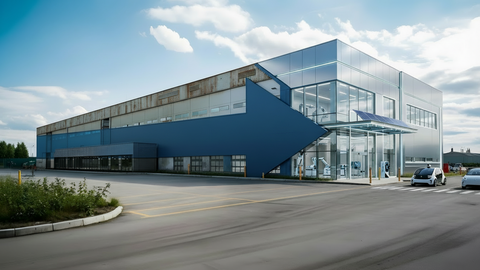
A good example is the combination of logistics services with DG capable storage, such as our setup in Moerdijk. By linking transport, compliant warehousing and value added services, we reduce interfaces and gain better control over the entire process.
For customers, this creates real resilience. They benefit from buffer capacity, safer handling of regulated materials and more flexibility in volatile markets. This kind of integrated approach will play an increasingly important role in future DG supply chains.