


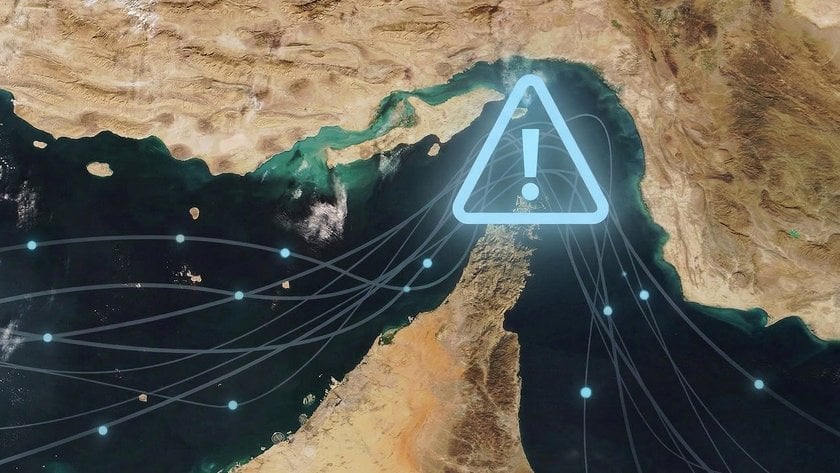
The situation around Iran and the Strait of Hormuz reminds the industry just how quickly the logistics landscape can shift. The escalation of military strikes on Iran has kept the entire region on edge and the situation is still changing almost on a daily basis. For supply chains depending on Middle Eastern routes, that means uncertainty has become the norm again.
The biggest pressure point is the Strait of Hormuz. It's one of the world’s most critical maritime corridors, yet traffic has dropped to a fraction of normal levels. With carriers avoiding the area or taking long detours, global cargo flows are feeling the impact far beyond the Gulf. What used to be a predictable lane is now a choke point with wide‑ranging consequences for transit times, routing options and cost structures across multiple trade lanes.
Stay up to date with our Middle East Situation Quick Access Information Hub.
FCL & LCL Situation: Reduced Capacity, Reroutings and Operational Instability
Sea Freight has taken the first and hardest hit. Several major carriers have paused bookings into the region, and those that still accept cargo are operating with strict limitations. MSC stopped new bookings for the Middle East. Maersk and Hapag‑Lloyd suspended transits through Hormuz and rerouted vessels around the Cape of Good Hope, which adds significant sailing time and reduces available capacity on other routes.
Some carriers have declared “end of voyage” or “force majeure” on already‑loaded cargo, meaning containers may be discharged at alternative ports far from where they were supposed to go. When that happens, the onward move is suddenly the customer’s responsibility. It’s not an ideal scenario, but one that supply chains must be prepared for when the regional risk level spikes.
The LCL side hasn’t been spared either. Acceptance for shipments into several Gulf destinations has tightened, and transshipment flows through major regional hubs have slowed down significantly. Lead times are becoming harder to predict, and it is not unusual to see port omissions or cargo being rolled from one departure to the next.
On top of that, emergency surcharges and war‑risk fees are adding another layer of cost volatility. Alternatives are available, but capacity on those routes tends to fill up fast once disruptions set in.
Air Freight Situation: Airspace Closures, Capacity Tightening and Rerouted Networks
Air Freight is facing its own set of hurdles. Many countries across the region (from Israel and Lebanon all the way to Kuwait, Qatar, Iran and the UAE) closed their airspace as a precaution. Middle Eastern carriers that usually act as global connectors, like Emirates, Qatar Airways and Etihad, suspended numerous passenger and freighter services: with less available capacity the market tightens.
Airlines are rerouting flights over Central Asia or northern corridors. Hubs such as Istanbul and Baku have become important workaround points. These alternative routings work, but they take longer and burn more fuel, which results in rate increases.
Time‑sensitive cargo, such as pharma and DG shipments with strict temperature or handling requirements, is feeling the strain most clearly.
Navigating the Disruption: Practical Workarounds and Transport Alternatives
Despite all this, there are workable solutions. Companies who stay flexible and diversify modes tend to weather these waves better than those locked into a single path.
Rail has proven itself in similar crises already. The corridors between Europe and Asia offer stability and can bridge the gap for certain cargo types when Sea Freight schedules are unpredictable. Sea-Air routes can also help when neither mode alone offers a reliable window.
Using ports outside the immediate conflict zone, for example Khor Fakkan, Fujairah or Dammam has become a workaround; capacity there is tight but still available. In parallel, temporary storage at strategic locations helps keep supply chains moving even when freight lanes slow down. It gives companies room to breathe, plan ahead, and avoid last‑minute decisions under pressure.
The companies coping best right now are the ones that share forecasts early, build in longer lead times and keep some additional stock on hand for critical items. That doesn’t eliminate volatility, but it softens the blow when the unexpected happens.
Looking Ahead: How Leschaco Supports Supply Chain Stability in Times of Crisis
Our multimodal portfolio allows customers to switch between Rail, Sea-Air or Intermodal combinations when traditional routes are blocked.
Rail corridors across Europe, Central Asia and China provide a stable backbone for east–west cargo. Sea-Air options through resilient hubs add flexibility for time‑sensitive goods. When ocean freight is unpredictable, these alternatives make a measurable difference.
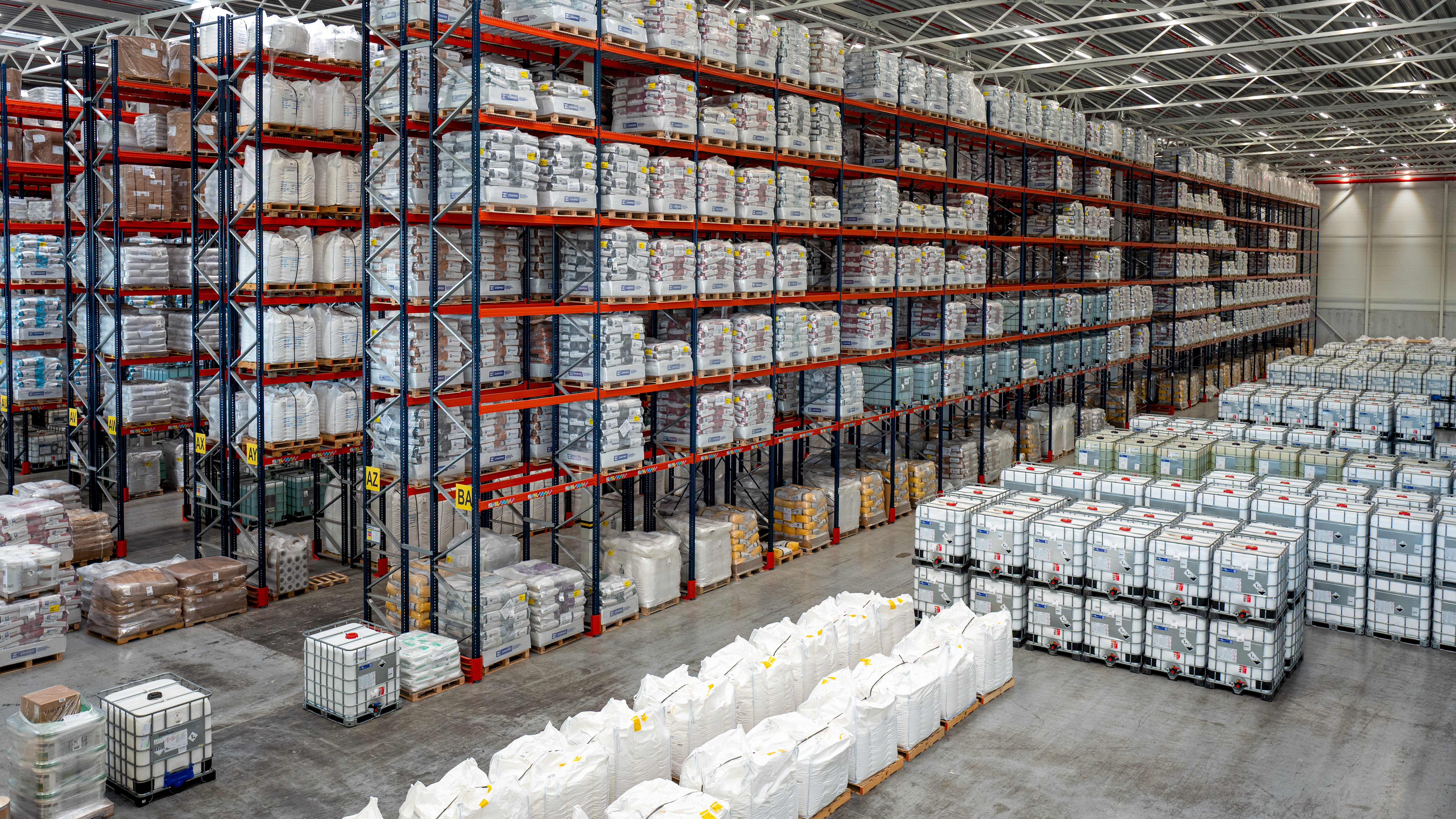
Our Contract Logistics network adds another layer of resilience. Facilities in Bremen (DE), Moerdijk (NL), Port Klang (MY), Singapore and more can act as buffer points to smooth out fluctuating transit times, manage safety stock or temporarily hold cargo until routing options stabilize. With our Warehousing‑as‑a‑Service model, customers can scale space and services up or down without long‑term commitments.
And because crises often hit Dangerous Goods supply chains hardest, our DG expertise helps maintain compliance and safety even in rapidly changing operational environments. Proper handling, documentation and safety routines remain non‑negotiable, especially when carriers tighten acceptance criteria.
Crises like this aren’t new to global logistics, and there will be more in the future. What matters most is having the right setup and partners in place before the next disruption hits. That’s the approach we’re continually strengthening at Leschaco.