


The tank container industry continues to operate in an increasingly complex market environment. Geopolitical uncertainties, evolving trade lanes, regional economic disparities and ongoing supply chain disruptions are shaping the market landscape in 2026. Yet despite these challenges, the latest developments highlighted in the ITCO Journal Q2 2026 underline a fundamental strength of the industry: adaptability.
For global shippers of chemicals, food-grade products, and liquid bulk cargo, tank containers remain one of the most flexible, secure and sustainable transportation solutions available. As supply chains become more dynamic and less predictable, the ability of ISO tanks to function both as transport assets and temporary storage solutions has become increasingly valuable.
Key Market Developments in 2026
According to the latest industry updates from ITCO, business conditions during the first half of 2026 have been heavily influenced by geopolitical tensions and economic uncertainty. Market volatility has become a defining characteristic of the logistics sector rather than a temporary disruption.
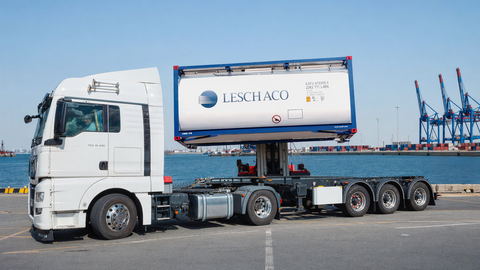
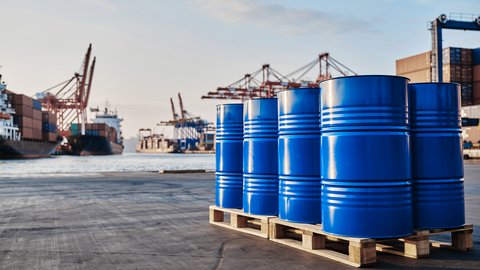
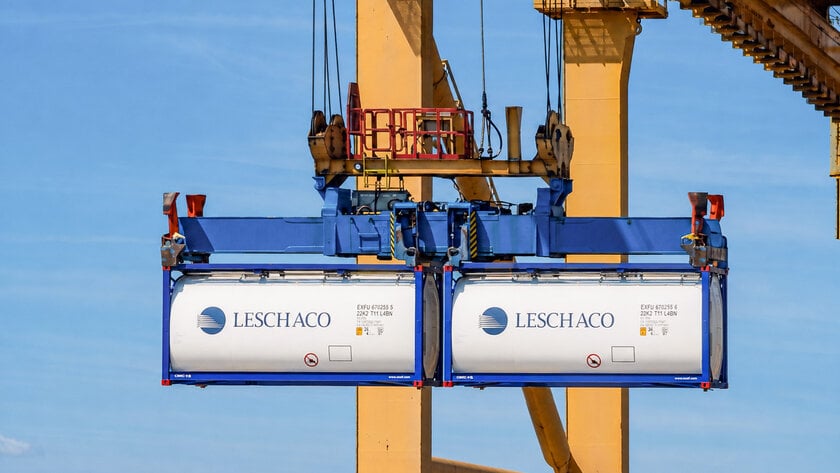
At the same time, the global tank container industry continues to benefit from broader recognition of the advantages that ISO tanks offer compared with alternative transportation methods such as drums or parcel tankers. ITCO has intensified its efforts to promote tank containers across global chemical and bulk liquid markets, emphasizing their efficiency, sustainability and operational flexibility.
For logistics providers and shippers alike, this growing awareness presents opportunities to further optimize supply chains through safer and more efficient bulk liquid transportation.
A More Mature Fleet Environment
The external market conditions described by ITCO point towards a more measured growth phase for the industry. While previous years were characterized by aggressive expansion, current market dynamics favour disciplined asset management and utilization-focused strategies.
The global tank container fleet reached approximately 899,000 units at the beginning of 2026, representing annual growth of less than 2%. Industry data also indicates that nearly 60,000 tanks remain idle within leasing fleets, while new production volumes continue at a comparatively moderate level. These figures suggest that capacity remains available but utilization and deployment strategies are becoming increasingly important differentiators.
For logistics providers, success is therefore less dependent on fleet expansion alone and more closely linked to operational efficiency, customer-specific solutions and intelligent asset positioning.
Regional Trends Continue to Diverge
The market environment remains highly regionalized.
Europe continues to face structural challenges, particularly within the chemical industry, where high energy costs and continued competitive pressure impact production output and investment decisions. Similar trends were already visible in 2025 and continue to influence demand patterns throughout the region.
North America has demonstrated greater resilience, supported by more stable industrial activity and comparatively favourable economic conditions. Meanwhile, Asia remains a growth region despite ongoing petrochemical overcapacity and continuing market adjustments among producers.
For global supply chains, these varying conditions reinforce the need for flexible logistics networks capable of adapting quickly to changing demand and shifting trade flows.
The Increasing Importance of Asset Utilization
One of the most significant themes across both industry discussions and Leschaco's strategic outlook is the importance of asset utilization.
As market growth moderates, maximizing the efficiency of existing fleets becomes critical. Faster turnaround times, improved equipment visibility, proactive fleet management and enhanced digital monitoring capabilities all contribute to making tank assets more productive.
At Leschaco, we see significant opportunities in leveraging digital tools and data-driven decision-making to improve asset velocity, reduce idle time, and deliver greater value to customers. In today's market environment, operational excellence can create a competitive advantage equal to, or even greater than, fleet expansion alone.
Strategic Growth with Customer Demand at the Center
Looking ahead, Leschaco continues to pursue a growth strategy built on sustainable development rather than volume expansion for its own sake.
Industry conditions support selective investment where long-term customer demand, reliable trade flows, and strong commercial fundamentals exist. This disciplined approach aligns with broader market indicators showing that successful growth increasingly depends on matching capacity deployment with actual customer requirements.
As part of this strategy, Leschaco is focused on:
- Strengthening global fleet availability while maintaining flexibility.
- Enhancing utilization through improved operational transparency.
- Supporting dedicated customer fleet solutions.
- Expanding digital capabilities to improve asset management.
- Creating resilient supply chain solutions in volatile market conditions.
- Maintaining a balanced and diversified equipment sourcing strategy.
These priorities reflect a broader industry shift toward quality of growth rather than pure fleet size.
Looking Ahead
The tank container industry has repeatedly demonstrated its ability to adapt during periods of uncertainty. The first half of 2026 has once again confirmed that flexibility, operational discipline and customer-focused solutions are essential for long-term success.
While geopolitical developments and regional market imbalances are expected to remain part of the business environment, tank containers continue to offer a compelling transportation solution for global liquid bulk supply chains. Their unique combination of safety, sustainability and flexibility positions them well for the challenges ahead.
At Leschaco, we remain focused on helping our customers navigate this evolving landscape through reliable global logistics solutions, optimized fleet management, and a commitment to continuous improvement. As the industry moves toward 2027 and beyond, our priority remains clear: delivering efficient, resilient, and customer-centric tank container solutions in a changing world.